Selling a catalytic converter in Kansas
Kansas names catalytic converters in its Scrap Metal Theft Reduction Act, so a converter is regulated scrap metal and every sale carries identification, a signed statement about where the unit came from, a photograph, and a report to the Kansas Bureau of Investigation within seventy-two hours. The act is set to expire on July 1, 2028.
Last checked September 13, 2026; source material current as of November 11, 2025. Laws change. Confirm the current statute and its effective date before relying on this page. This is not legal advice.
Who may sell a detached converter
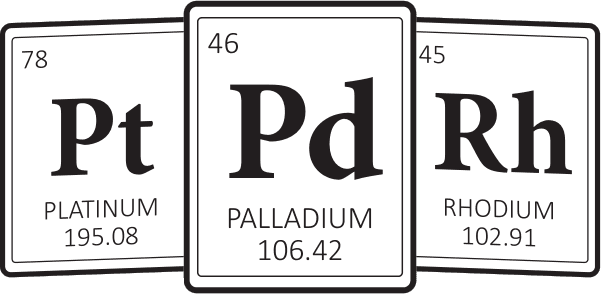
Regulated scrap metal covers any item whose purchase price was based primarily on the content of aluminum other than food or beverage containers, copper, brass, bronze, stainless steel, zinc, titanium, tungsten, nickel, platinum, palladium, rhodium, magnesium, lead, any other nonferrous metal, or any combination of them, and it expressly includes catalytic converters (§ 50-6,109(b)(2)). A catalytic converter is defined as a device installed in a motor vehicle's exhaust system that uses a catalyst to convert pollutant gases into less harmful gases (§ 50-6,109(b)(9)).
Kansas does not license sellers, but it makes selling without the paperwork unlawful. It is unlawful for any person to sell regulated scrap metal to a dealer, or to a dealer's employee or agent, unless that person presents at or before the time of sale a name, address, sex, date of birth, and a driver license, military identification card, passport, or personal identification license, with an official government document from another country accepted in place of those, and unless that person completes and signs the ownership statement the register requires (§ 50-6,110(a)). Minors are a separate case: a dealer may not buy regulated scrap metal from a minor unless the minor is accompanied by a parent or guardian or is a licensed scrap metal dealer (§ 50-6,111(c)).
Two groups of sellers sit outside § 50-6,110. It does not apply where the seller is a registered scrap metal dealer, a vehicle dealer licensed under chapter 8 of the Kansas Statutes Annotated, or a scrap metal dealer or vehicle dealer registered or licensed in another state (§ 50-6,110(f)). It also does not apply where the seller is known to the buying dealer to be a licensed business operating from a fixed location that can reasonably be expected to generate regulated scrap metal, though the attorney general may decide by rule which requirements still apply to those transactions (§ 50-6,110(g)). Certain converters are off limits entirely: a dealer may not buy any converter with a defaced identification mark or owner-applied paint or identification number, or one intentionally altered by removing or obliterating the make, model, or manufacturer's number, without proof the seller is authorized to sell on behalf of a listed entity (§ 50-6,111(d)(22)).
What the buyer must record
Every dealer keeps a register in which it records, at the time of purchase or receipt, or cross-references to previously received information, the time, date, and place of the transaction, the seller's name, address, sex, and date of birth, and the identifying number from the seller's driver license, military identification card, passport, personal identification license, or foreign government document (§ 50-6,110(b)(1), (2)). A copy of that identification card or document goes in the register unless the dealer already holds a copy from a prior transaction (§ 50-6,110(b)(3)).
The register then describes the load and the money. It carries the license number, color, and style or make of any motor vehicle in which the metal was delivered, a general description of the predominant types of metal purchased made according to the custom of the trade, the weight, quantity, or volume on the same basis, a description of any junk vehicle or vehicle part including make, model, color, vehicle identification number and serial number where applicable, the price paid or traded, and the full name of the individual acting for the dealer in making the purchase (§ 50-6,110(b)(4) to (9)). The seller signs a statement indicating where the property was obtained and either that each item is the seller's own personal property, free of encumbrances and not stolen, or that the seller is acting for the owner with permission to sell, in which case the owner's name and address go in as well (§ 50-6,110(b)(10)).
One photograph is taken of the item or lot of items being sold at the time of purchase or receipt, and it is kept with the transaction record and the register (§ 50-6,110(c)). The register, the identification copies, the signed statements, and the photographs may all be kept electronically (§ 50-6,110(d)). Every dealer forwards the information the Kansas Bureau of Investigation requires for each transaction to the database described in § 50-6,109a, in the manner the bureau prescribes, within seventy-two hours after the transaction occurs, and the bureau decides by rule which of the recorded information and photographs are entered (§ 50-6,110(e)). That database, maintained since July 1, 2020, is a central repository for § 50-6,110 information, is confidential, may be used only for investigatory, evidentiary, or analysis purposes related to criminal violations, and is not a public record under the Kansas Open Records Act (§ 50-6,109a(f), (g)). A dealer files and maintains the § 50-6,110 information, keeps all records open at all times to law enforcement officers, keeps them for two years, and prints out electronic records for officers on request (§ 50-6,111(a)).
How you are paid
Kansas sets no payment rules. The Scrap Metal Theft Reduction Act contains no cash ban, no dollar threshold above which a check is required, no rule about who a check is payable to or where it is sent, and no delay before a seller may be paid. The only money-related requirement is that the price paid, traded, or dealt for the metal goes into the dealer's register (§ 50-6,110(b)(8)) and is reported into the bureau's database as the bureau's rules require (§ 50-6,110(e)).
There is no standing hold on the metal either, but there is a long conditional one. It is unlawful for a dealer, or a dealer's employee or agent, to sell, trade, melt, crush, or in any way dispose of, alter, or destroy any regulated scrap metal, junk vehicle, or vehicle part once a law enforcement agency or its agents or employees give notice that they have cause to believe an item has been stolen, and the dealer has to hold the designated items for thirty days, not counting weekends and holidays (§ 50-6,111(e)). That is one of the longer conditional holds in the country and it applies to converters like any other regulated scrap metal.
Whole-vehicle purchases carry their own checks, which matters where converters arrive attached. It is unlawful for a dealer to buy a junk vehicle in a transaction requiring seller information without inspecting the vehicle and recording its identification number, and without obtaining an appropriate bill of sale from a governmentally operated impound facility where the vehicle was impounded (§ 50-6,111(b)). Junk vehicles with missing or altered identification numbers are on the list a dealer may not buy without proof of authority to sell for a listed entity (§ 50-6,111(d)(17)).
Penalties
The act is enforced principally by civil penalty. A scrap metal dealer who violates any provision of the act may, in addition to any other penalty provided by law, incur a civil penalty of not less than one hundred dollars and not more than five thousand dollars for each violation, imposed by the attorney general on a written order that states the violation, the penalty, and the right of appeal under the Kansas Judicial Review Act (§ 50-6,109c). The attorney general has jurisdiction over implementation, administration, and enforcement, including power to license and discipline, investigate, and issue subpoenas, and Kansas law enforcement officers may investigate violations and submit their reports to the attorney general regardless of any local action (§ 50-6,109a(a)).
Registration is the lever that matters most to a buyer. A dealer may not purchase any regulated scrap metal without first registering each place of business with the attorney general, on a verified form that names the applicant and the particular place of business, its hours and days of operation, the owner of the premises, and any disqualifying convictions in the preceding ten years, with a fee of up to five hundred dollars per location and a one-year term (§ 50-6,112a(a), (c) to (e)). Registrations are not transferable (§ 50-6,112a(g)), and a long list of people and entities cannot be registered at all, including anyone with a qualifying conviction or diversion in the previous ten years and anyone who held or managed a revoked registration in that period (§ 50-6,112b(b)).
Suspension and revocation follow violations directly. The attorney general may suspend a registration for up to thirty days on five days' notice where the registrant has violated the act, has knowingly employed someone found to have violated it in the previous twenty-four months, or has permitted criminal activity at the place of business, and may revoke the registration of a dealer suspended three or more times in a twenty-four month period (§ 50-6,112c(a), (b)). Revocation or suspension is mandatory for a fraudulent registration, becoming ineligible, or non-payment of registration fees or civil penalties more than thirty days past due after written notice (§ 50-6,112c(c)). The act itself is scheduled to expire on July 1, 2028 (§ 50-6,112d).
What this means when you sell to us
Bring a license, military ID, passport, or state personal identification license, or an official document from another country, and we copy it into our register (§ 50-6,110(a)(1), (b)(3)). You sign a statement saying where each converter came from and either that it is your own property, unencumbered and not stolen, or that you are selling with the owner's permission, in which case we record the owner's name and address (§ 50-6,110(b)(10)). We photograph the lot, log the weight and price, and report the transaction to the Kansas Bureau of Investigation within seventy-two hours (§ 50-6,110(c), (e)). Kansas sets no payment method, so our own terms apply.